Impact of Digital Technologies on Manufacturing Companies in India
Digital technologies are reshaping Indian factories. Explore the core tools, the measurable gains, the MSME angle and a practical roadmap for manufacturers.


Digital technologies are reshaping Indian factories. Explore the core tools, the measurable gains, the MSME angle and a practical roadmap for manufacturers.

Annual budgets fail in dynamic markets. A plan locked in December is often irrelevant by the second quarter, and in India that obsolescence arrives faster than almost anywhere. GST adjustments, RBI rate moves, monsoon-driven demand swings, and volatile input costs shift your financial foundations mid-year. A static baseline cannot absorb those shocks. A 12-month rolling

For an Indian MSME, growth rarely fails because of weak demand. It stalls because the way the business wins customers does not scale. Founder-led selling, a few loyal referrals, and opportunistic orders can carry a firm to a point — and then acquisition costs climb, effort scatters, and revenue becomes unpredictable. The fix is not

CEOs face a volatile cost environment in 2026. Inflation and energy shocks stay above pre-pandemic levels. Technology drives automation through AI to reduce labor and process costs. Supply chain resilience carries higher fixed costs. You must re-examine your cost structures and pricing now. Data shows 96% of CFOs recently revised pricing strategies. Another 87% expect

By Ved Consulting | Strategy and AI Practice | 2026 Across Asia, the Gulf, and North America, CEOs are moving from AI experimentation to full-domain transformation. Revenue models are being rewired. Customer engagement stacks are being rebuilt around agentic intelligence. In India, the conversation is different. Awareness is high. Pilots are everywhere. But according to
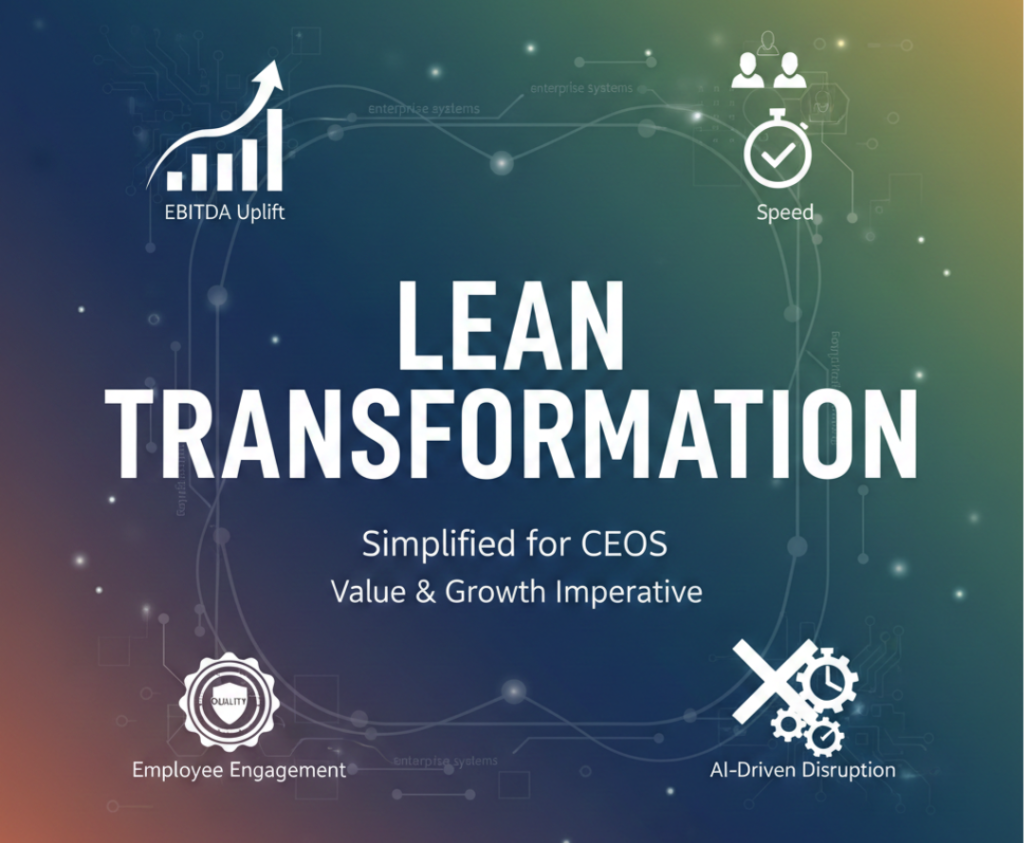
Why it is no longer an efficiency program, but a value and growth imperative For many CEOs, Lean transformation still carries an outdated image: factory floors, time-and-motion studies, and cost cutting. That perception is no longer just incomplete—it is strategically dangerous. Today, Lean is one of the few enterprise-wide systems proven to simultaneously improve cost, speed, quality, and
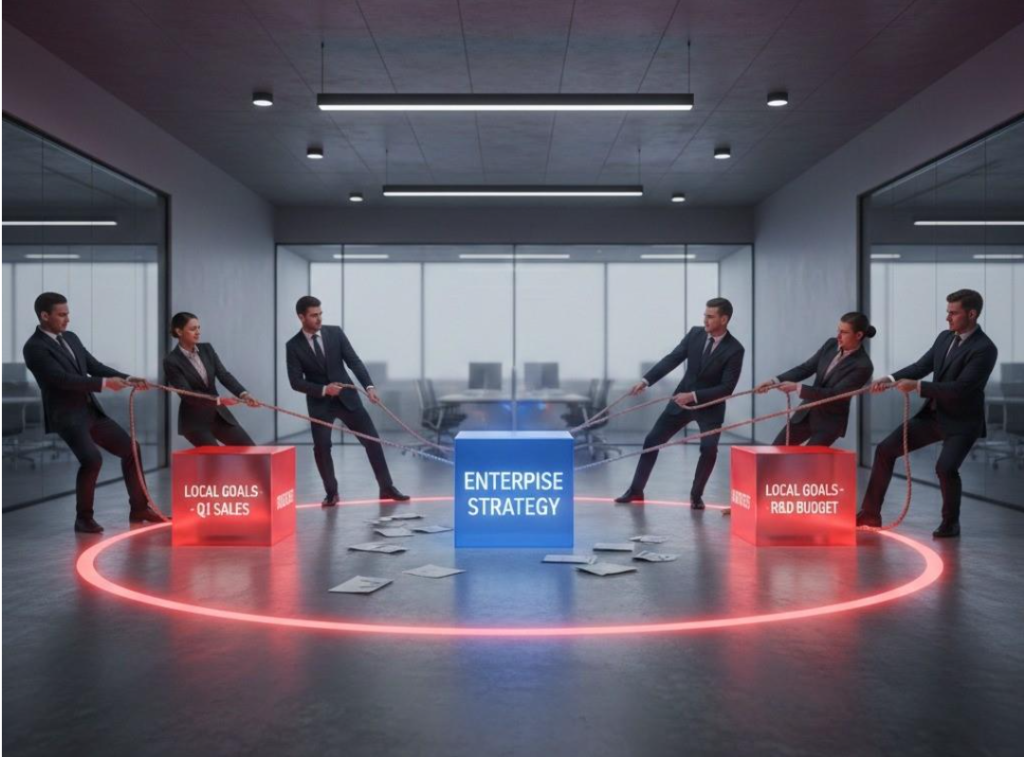
Boards rarely judge strategy by ambition or how well it is articulated. They judge it by organizational response — what changes, what accelerates, and what stubbornly does not. Across industries, when a strategy is not working, five measurable patterns tend to surface well before financial performance visibly deteriorates. The value of naming them is simple:
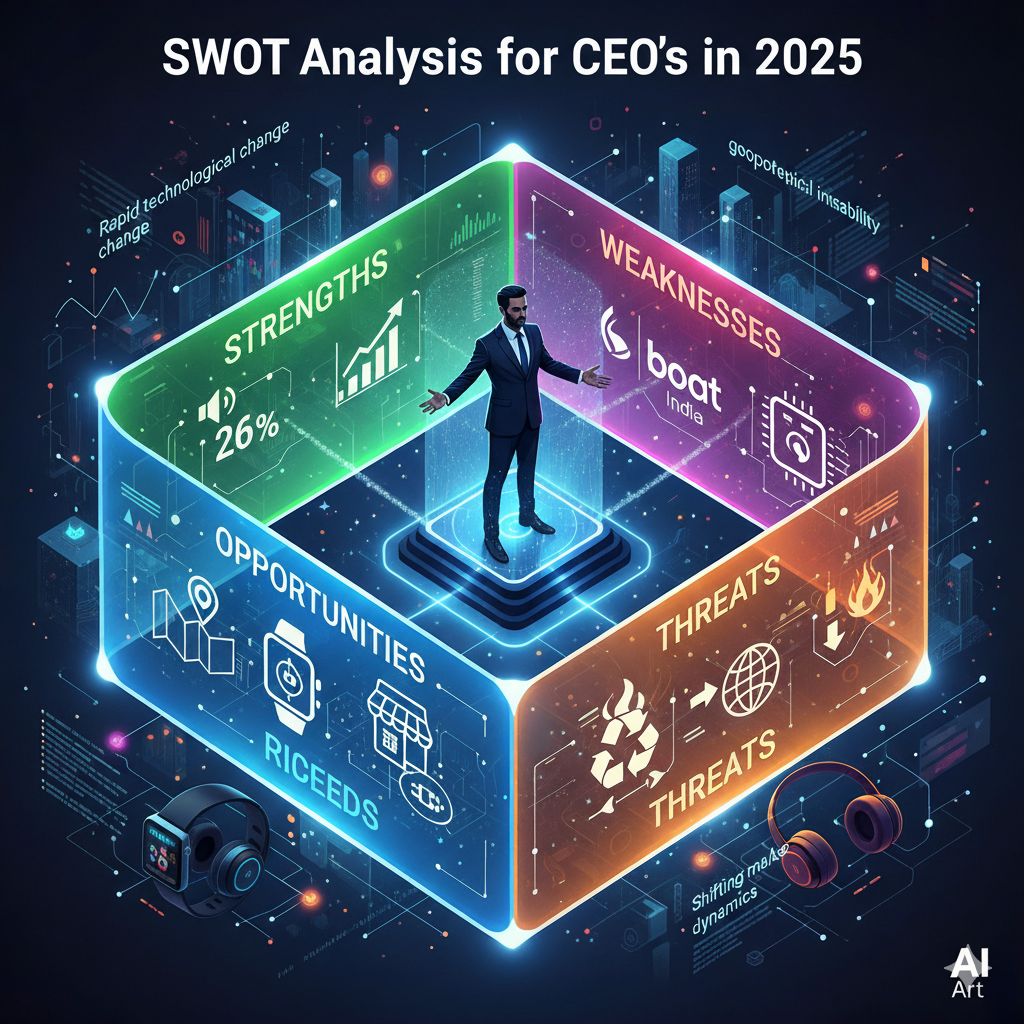
In 2025, CEOs operate in a business environment that is complex, connected, and unpredictable. Rapid technological change, geopolitical instability, and shifting market dynamics make leadership harder than ever. In that context, SWOT analysis — Strengths, Weaknesses, Opportunities, Threats — remains one of the most practical tools a leader has, provided it is treated as a

In a fast-moving business environment, CEOs and senior executives are under pressure to grow and to safeguard the organization against uncertainty at the same time. Navigating disruption, implementing complex strategies, and managing risk pulls leaders between short-term demands and long-term vision. The hard truth is that most organizations do not struggle to write a strategy

In today’s competitive business environment, organizations are constantly searching for ways to improve efficiency, strengthen strategies, and stay ahead. This is where consulting firms play an important role. Companies across industries rely on external expertise to tackle challenges and accelerate growth. Driving Growth and Innovation The demand for consultants in India has risen as businesses