

CEOs face a volatile cost environment in 2026. Inflation and energy shocks stay above pre-pandemic levels. Technology drives automation through AI to reduce labor and process costs. Supply chain resilience carries higher fixed costs. You must re-examine your cost structures and pricing now. Data shows 96% of CFOs recently revised pricing strategies. Another 87% expect pricing to be their primary performance lever.
Cost Structure Fundamentals
Segment your costs into fixed, variable, and mixed components. Fixed costs like rent and debt do not vary with output. Variable costs like raw materials scale with production. High fixed-cost businesses possess high operating leverage. Small sales changes cause large profit swings in these models. High-variable-cost businesses have lower leverage.
Software firms often achieve 69% gross margins due to high fixed R&D. Retailers like Walmart see 25% gross margins because of high variable inventory and wage costs. Map your cost mix carefully. Your strategy for outsourcing and capital investment depends on this structure.

Essential Cost Metrics
Track these four metrics to monitor performance.
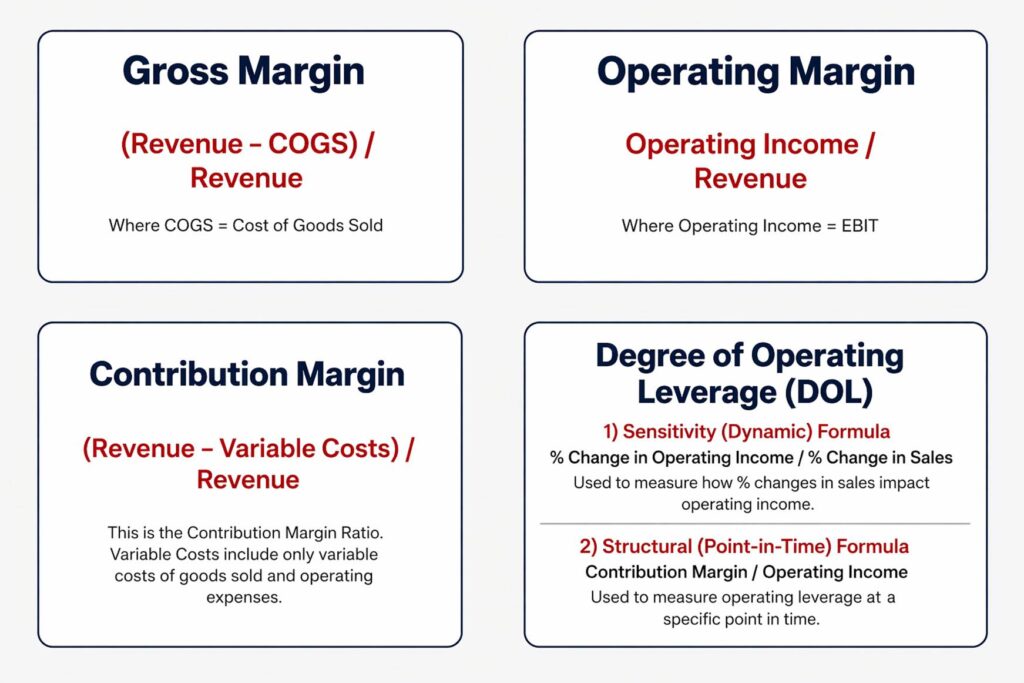
- Gross Margin: Calculate revenue minus cost of goods sold. Tech firms target over 60%. Auto manufacturers often see 10%.
- Operating Margin: Measure operating income against revenue. This reflects all operating expenses. Efficiency shows here.
- Contribution Margin: Subtract variable costs from sales. This covers your fixed costs. High margins reduce your break-even volume.
- Degree of Operating Leverage: Monitor the percentage change in operating income relative to sales changes.
Primary Cost Drivers in 2026
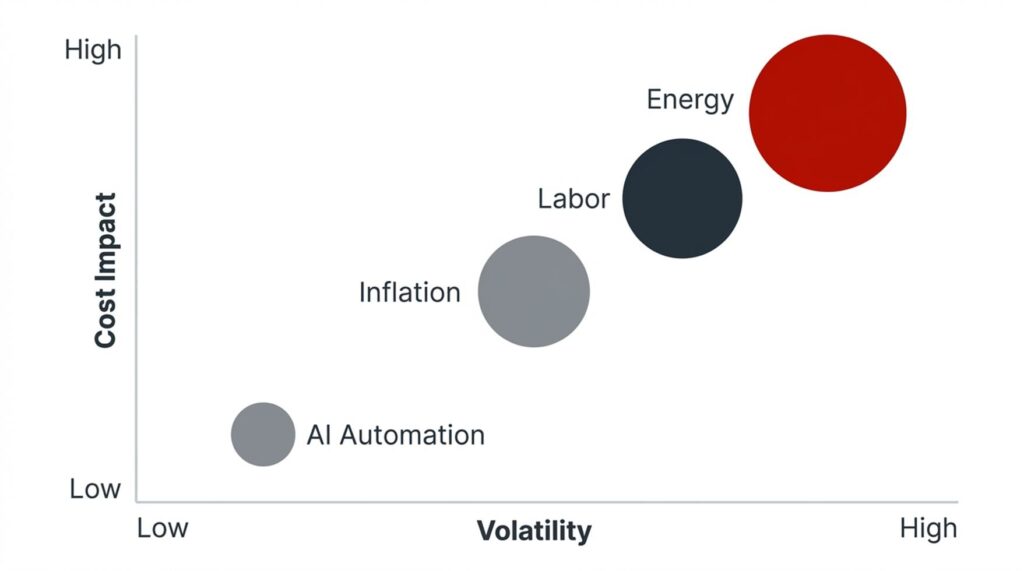
Inflation remains a persistent threat. The IMF projects global inflation at 4.4% for 2026. Stress scenarios suggest rates above 6% if energy shocks return.
Labor costs remain high. Tight labor markets pressure wages. Minimum wage hikes increase fixed salary costs in your SG&A.
AI adoption reshapes cost bases. Leading firms invest in automation to cut repetitive labor. Banks see potential cost savings of 20% through AI-driven process improvements. Success requires reengineering your processes.
Energy and commodities stay volatile. OECD forecasts Brent oil prices 40% above earlier projections. AI increases energy demand for data centers. This raises your infrastructure costs while it lowers labor costs.
Strategic Levers for Leadership
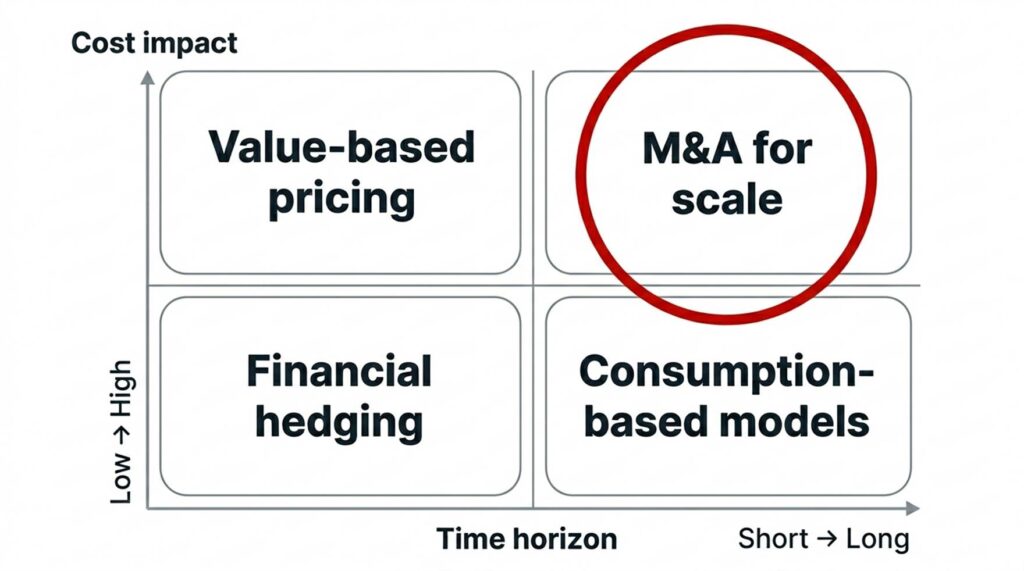
Use value-based pricing to pass costs to customers. 48% of firms plan to pass import duty increases to buyers. Use advanced analytics to maintain demand while raising prices.
Shift to consumption-based models for technology. Cloud services convert upfront capital expenditure into recurring operating expenses. This aligns your costs with revenue growth.
Use financial hedges for currency and commodities. Lock in energy prices to smooth input volatility.
M&A provides scale economies. Acquire automation capabilities to boost margins. Look for targets with complementary technology to rationalize overlapping costs.
Actionable Recommendations
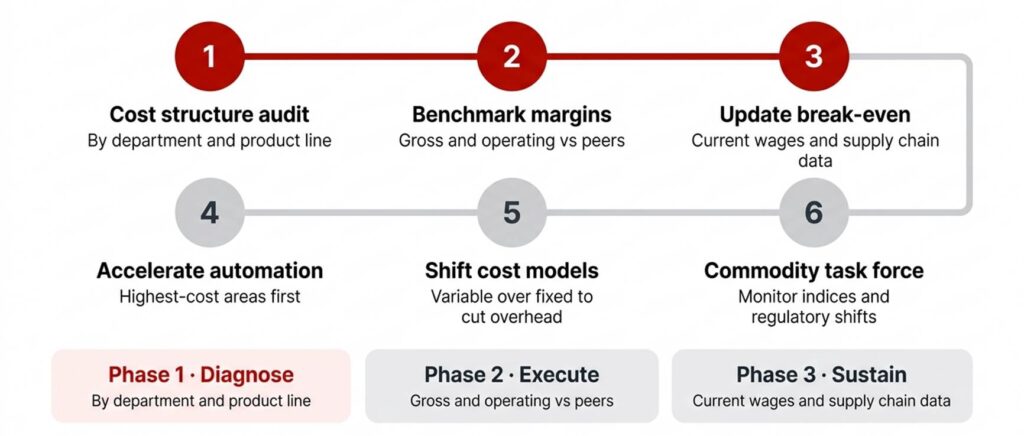
- Conduct a detailed cost structure audit by department and product line.
- Benchmark your gross and operating margins against industry peers.
- Update your break-even analysis using current wage and supply chain data.
- Accelerate automation in your highest-cost areas.
- Shift to variable-cost models to reduce permanent overhead.
- Establish a task force to monitor commodity indices and regulatory changes.
Posted by the Research Team at Ved Consulting.
Connect with us on LinkedIn: https://www.linkedin.com/company/vedconsulting/